
AI training data
How AI training data collection works, and what licensing old operational records involves
From where AI developers source training data to the steps a firm goes through when it licenses a copy of older records, here is how collection works and what buyers tend to look for.
By Thomas & Finch5 min read
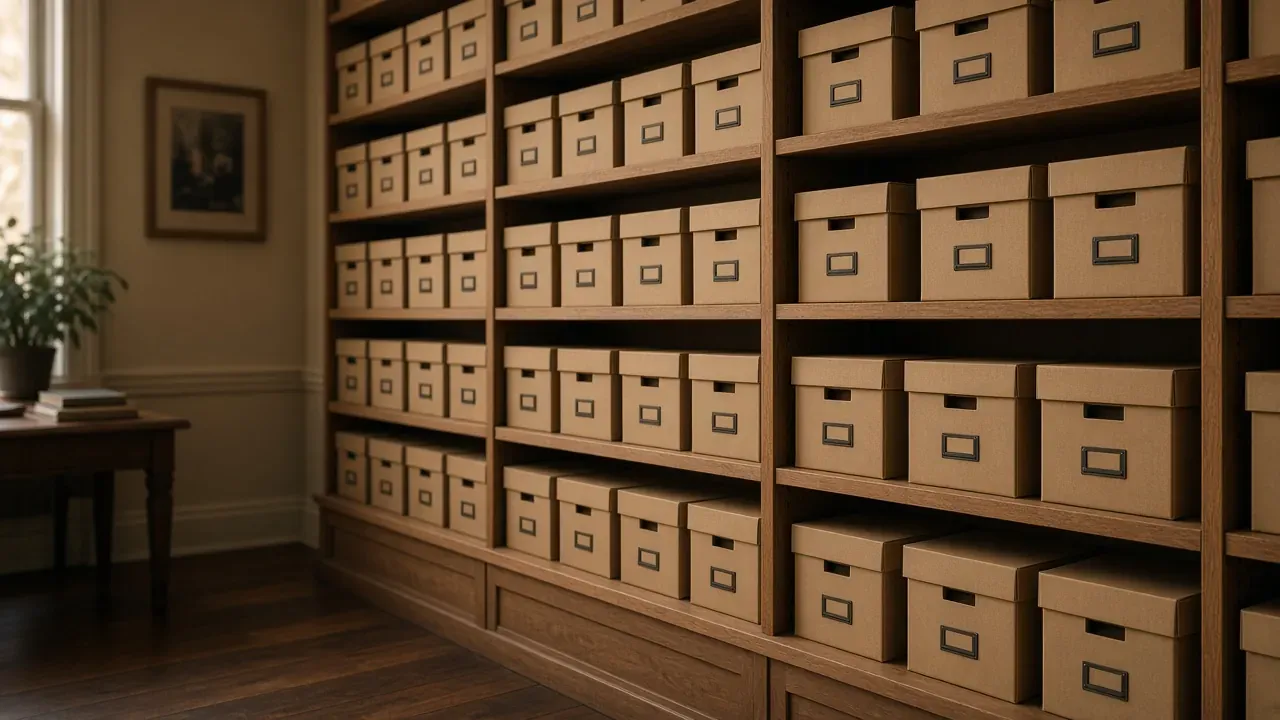
Most people have heard that AI tools are “trained on data”, but few firm owners are told where that data comes from, or how a business could end up supplying some of it. This article walks through how AI training data collection works in general terms, what it means to license a copy of older operational records, and what buyers look for when they review a firm.
Where AI developers get training data
Broadly speaking, developers draw on several sources, and most use a mix:
- Public material, such as text and documents that anyone can read online.
- Licensed datasets, where an organisation gives a developer permission to use a copy of its material, under written terms.
- Material created for the purpose, such as examples written or checked by experts.
- Synthetic material, which is generated by software, often to fill gaps.
None of these is perfect. Public material is general. Created and synthetic material can lack the detail of genuine work. That is part of the reason some developers seek licensed records from real organisations, as we explain in our article on why AI developers need real-world business data.
Why licensing, and not just taking
A licence is a written record that the owner of the material gave permission, and it says what the developer may and may not do. As we understand it, buyers value that clarity, and owners value it too, because the terms can set limits on scope and use. A firm that licenses a copy keeps its originals and keeps control of what it approves.
What “licensing a copy of old operational records” involves
The words sound technical, but the steps are simple. This is how we run it, from the firm’s side:
- A quick fit check. You answer a few questions about firm size, country, firm type, years of records, the types of record you keep and whether they are mostly in English. It runs in your browser.
- A free review call. We talk through the records, the usual criteria and the privacy steps. There is no cost and no pressure.
- You decide the scope. Your firm decides which kinds of material could be in, and which are off-limits. Anything client-confidential is your firm’s call.
- You apply through the buyer’s own link. If you decide to go ahead, we send you the link after the call. You complete the application yourself.
- The buyer reviews. The buyer looks at your firm and what you propose. Acceptance is not guaranteed.
- Agreement. If a deal proceeds, the scope, permitted uses and payment are set out in the buyer’s agreement with your firm. Read it closely and show it to your own advisor first.
Behind the scenes, buyers say the material then goes through privacy steps and a quality review before it is used, which we describe in our article on anonymization and review.
What buyers look for
Each buyer sets its own criteria, and they can change, so treat the list below as the usual guidelines we check today, not as fixed rules.
- Size. For accounting firms we currently look for about 15 or more full-time employees.
- Location. Firms based in the United States, Canada, the United Kingdom or Australia.
- Language. Records that are mostly in English.
- History. Several years of retained records. Older files are often the most useful.
- Variety. More than one kind of internal material, such as procedures, templates, checklists, a knowledge base, training material or support histories.
- Authority. Someone, such as an owner or partner, who can decide on the firm’s behalf.
- Willingness to review scope. You decide what is in and what is out.
You can test your firm against this list in a few minutes with our free fit check. It gives a simple result and a readiness level. It is a quick check, not an offer or a valuation.
What it does not tell you
Collecting training data is a business like any other, and a fair article should say what the process cannot promise:
- No promised income. What a licence might be worth depends on the buyer’s review, so we never estimate it.
- No promised acceptance. Applying does not mean you will be accepted, and acceptance does not mean an agreement will follow.
- No promised timetable. It varies with the buyer, your records and how quickly each step is completed.
If anyone offers you a figure or a guarantee before a review, be cautious.
A short glossary
- Training data: the examples an AI model learns patterns from.
- Evaluation data: examples used to test how a tool behaves on work it has not seen.
- Licence: written permission to use a copy of something, on stated terms.
- Anonymization (de-identification): removing identifying details so that a record cannot be linked to a particular person or client.
- Scope: the list of what is included in an arrangement, and what is not.
- Buyer: the company that licenses the material and runs the review.
Who does what
It helps to be clear about roles:
- Your firm owns its records, decides the scope, and decides whether to apply and whether to sign.
- The buyer reviews your firm, sets the terms, and handles the material under its own agreement.
- Thomas & Finch introduces established accounting firms and other qualifying businesses to AI data buyers. We introduce you, explain the process, and tell you plainly if your firm is not a fit. We do not receive your files and we do not ask for them. We are not affiliated with any buyer.
Getting started
If the criteria above sound close to your firm, start with the fit check. If they do not, we will tell you honestly, and at no cost, and criteria can change, so it may be worth asking again later.
Not legal or tax advice. This article is general information. Please speak with your own advisor and check your professional body’s rules before taking any step.
How we are paid. Thomas & Finch is an independent referral service. Your firm never pays us. If a buyer accepts a firm that applied through our referral, the buyer pays us. Acceptance is never guaranteed, and we are not affiliated with any buyer.
Thomas & Finch
Independent referral service
We started this service to give accounting firm owners a clear, unhurried way to find out whether their firm might qualify. Questions are welcome at hello@thomasandfinch.com.